Replacing tires is one of the larger maintenance bills most drivers face, and prices can vary a lot. A set of four basic tires for a compact car might cost under $500 installed, while a set of premium tires for a large SUV or pickup can easily pass $1,500.
Here is what new tires cost by type and size in 2026, what installation adds, and how to get the best value for your money.
Quick answer
Most drivers pay $100 to $250 per tire for a standard passenger car or SUV, or about $500 to $1,000 for a set of four installed. Budget tires start around $70, while premium, performance, and large truck tires can cost $250 to $450 or more each. Installation typically adds $15 to $45 per tire, and a wheel alignment adds about $80 to $150.
- Larger wheel sizes cost more, often a lot more.
- Always compare out-the-door prices, not just the tire price.
New Tire Prices by Type
Budget tires
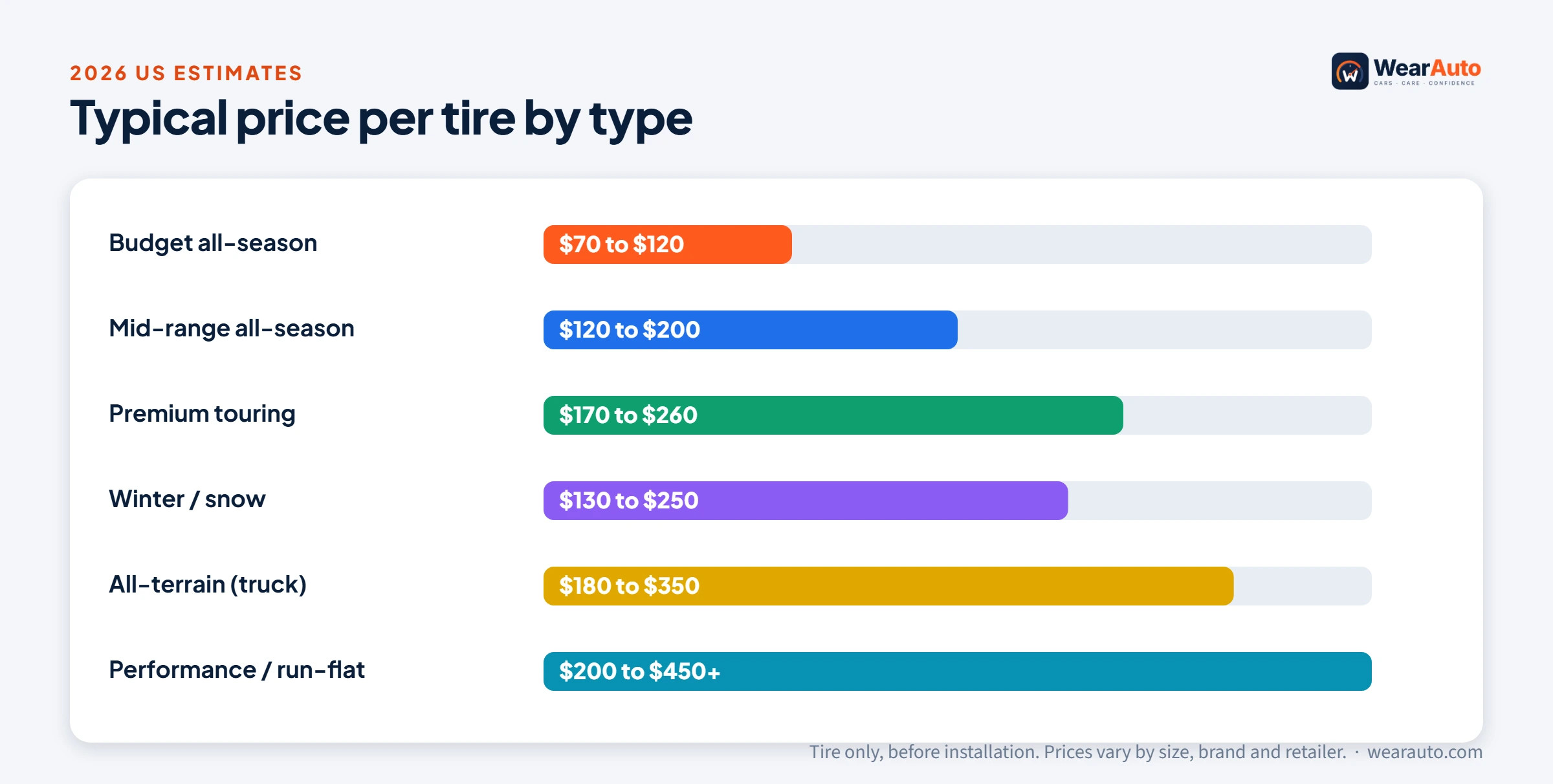
Budget tires from lesser-known brands cost about $70 to $120 each for common sizes. They can be a reasonable choice for an older car driven in mild conditions, but they often wear faster, are noisier, and grip less well in the wet.
Mid-range all-season tires
This is the sweet spot for most drivers, usually $120 to $200 per tire. Well-known brands in this range offer good tread life, often with 50,000 to 70,000 mile warranties, and solid wet performance.
Premium touring tires
Premium touring tires from top brands cost about $170 to $260 each. They tend to be quieter, more comfortable, and longer-lasting, with treadwear warranties up to 80,000 miles or more.
Winter tires
Dedicated winter tires cost roughly $130 to $250 each. Many drivers mount them on a second set of wheels, which adds upfront cost but saves on mounting fees every season.
All-terrain and truck tires
Light truck and all-terrain tires for pickups and SUVs usually cost $180 to $350 each, depending on size and load rating.
Performance and run-flat tires
Summer performance tires and run-flats are the most expensive, often $200 to $450 or more each, especially in 19-inch and larger sizes.
How Wheel Size Changes the Price
Tire size has a huge effect on price. Larger diameters and lower profile sidewalls cost more to make and are sold in smaller volumes.
| Wheel size | Common vehicles | Typical price per tire (mid-range) |
|---|---|---|
| 15 to 16 inch | Small and compact cars | $90 to $160 |
| 17 inch | Midsize sedans, small SUVs | $120 to $200 |
| 18 inch | Midsize SUVs, crossovers | $150 to $240 |
| 20 inch | Large SUVs, pickups | $200 to $320 |
| 21 inch and up | Luxury and performance models | $280 to $500+ |
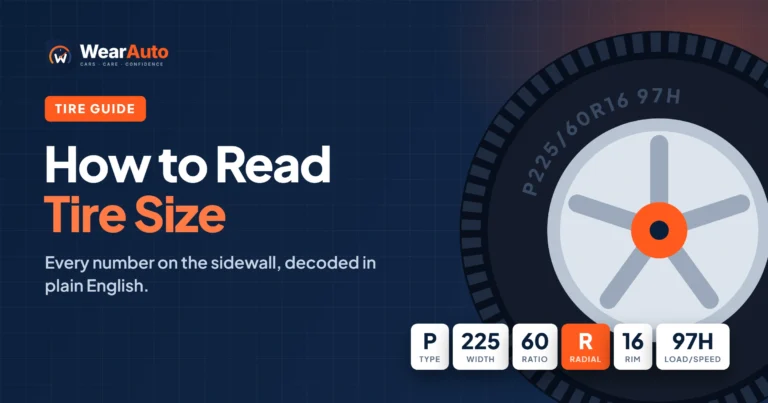
To find your size, look at the tire sidewall. Our guide on how to read tire size explains each number, including the load and speed ratings that affect price.
Installation and Hidden Costs
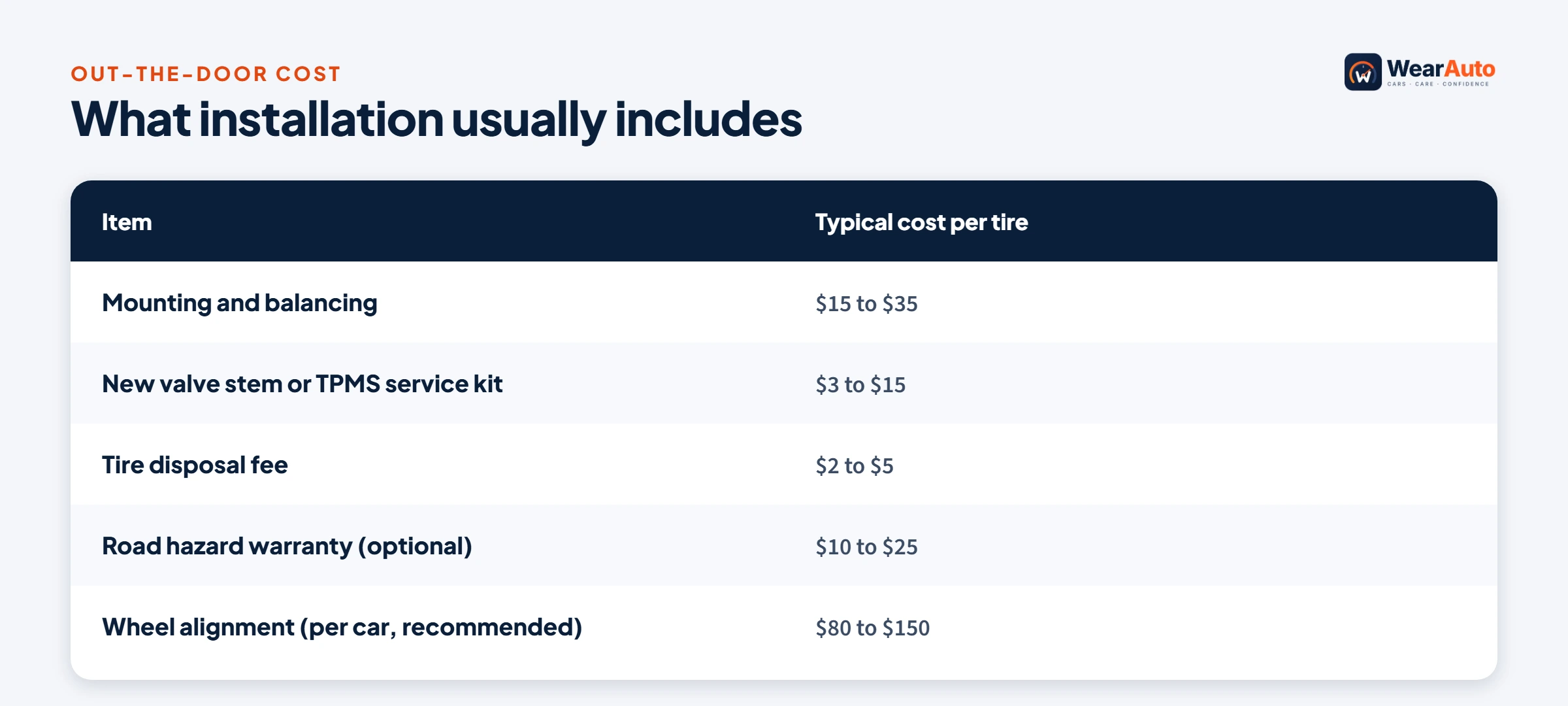
The price on the website is rarely the total. Ask for an out-the-door quote that includes mounting, balancing, valve stems or TPMS service, disposal of your old tires, and taxes. Some retailers include lifetime balancing and rotations with purchase, which adds real value over the tire’s life.
An alignment is not always required, but it is a good idea with new tires, especially if your old tires wore unevenly. A misaligned car can wear out a new set much faster.
Ask about rotations and free services
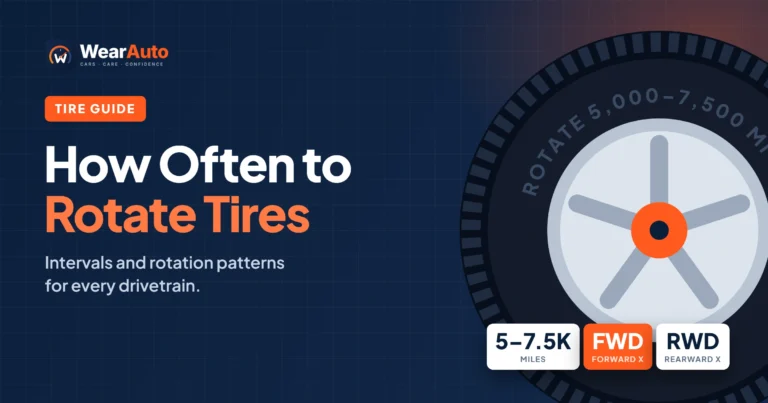
Many tire shops include free rotations every 5,000 to 7,500 miles when you buy tires from them. Regular rotation helps tires wear evenly. Our guide on when to rotate tires explains why it matters.
Total Cost for a Set of Four
| Vehicle type | Tires only | Typical installed total |
|---|---|---|
| Compact car, budget tires | $300 to $450 | $380 to $550 |
| Midsize sedan, mid-range | $500 to $750 | $600 to $900 |
| Crossover or SUV, mid-range | $600 to $900 | $700 to $1,050 |
| Pickup, all-terrain | $800 to $1,300 | $900 to $1,450 |
| Luxury or performance | $1,000 to $1,800+ | $1,150 to $2,000+ |
Do You Have to Replace All Four?
Not always, but often it is best:
- All-wheel-drive vehicles usually need all four tires replaced together, or the new tire shaved to match, because large differences in tread depth can strain the drivetrain.
- Front- or rear-wheel-drive cars can usually replace tires in pairs. Put the new pair on the rear axle for better stability.
- One damaged tire on a car with fairly new tires can often be replaced alone if the tread depth is close to the others.
How to Know When You Need New Tires
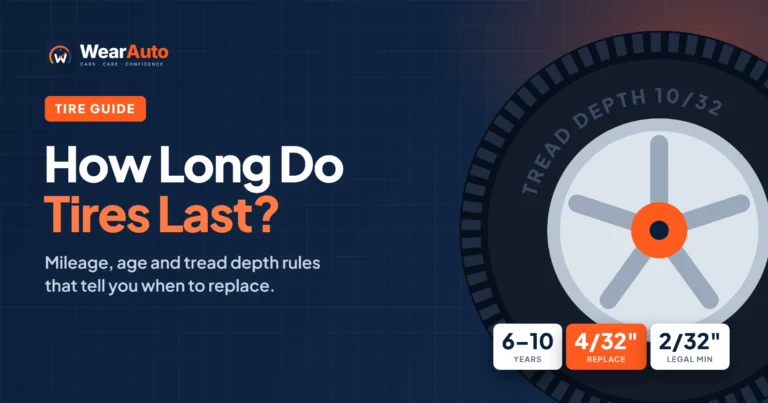
Replace tires when the tread reaches 2/32 inch, the legal minimum in most US states, though many experts recommend replacing at 4/32 inch for better wet and snow grip. Also replace tires that are about 6 to 10 years old, have sidewall cracks or bulges, or show unusual wear. Our article on how long tires last covers the warning signs.
Do not ignore a bulge or deep cut
A bulge on the sidewall means internal damage and a high risk of a blowout. Replace the tire right away, even if the tread looks fine.
How to Save Money on New Tires
- Compare prices online and locally. Many shops will match a competitor’s out-the-door price.
- Buy during sales. Tire makers often run rebates in spring and fall, sometimes $70 to $150 per set.
- Choose the right tire, not the most expensive. A mid-range tire from a known brand often offers the best value per mile.
- Check the treadwear warranty. A tire that costs 20% more but lasts 40% longer is cheaper over time.
- Maintain your tires. Proper tire pressure, rotation, and alignment can add thousands of miles to their life.
- Avoid upsizing your wheels. Bigger wheels look great but make every tire replacement more expensive.
Frequently Asked Questions
How much should I pay for 4 new tires?
Most drivers pay about $500 to $1,000 for four mid-range tires installed on a typical car or SUV. Budget sets can cost less, while large trucks and performance cars cost more.
Are expensive tires worth it?
Often, yes. Premium and mid-range tires usually last longer, grip better in the rain, and ride more quietly. Compare the cost per mile using the treadwear warranty, not just the purchase price.
Is it cheaper to buy tires online?
The tires themselves can be cheaper online, but you still need to pay a shop to mount and balance them. Compare the total installed price before deciding.
How long does it take to install new tires?
Mounting and balancing four tires usually takes 45 minutes to an hour and a half. Add about an hour if you also get an alignment.
When is the best time to buy tires?
Spring and fall often bring manufacturer rebates and sales. October and April are particularly good months to look for deals.
The Bottom Line
New tires usually cost $100 to $250 each for most cars and SUVs, or roughly $500 to $1,000 for a set of four installed. Your tire size and type make the biggest difference, and installation fees add $15 to $45 per tire. Compare out-the-door prices, look for seasonal rebates, and choose a quality mid-range tire with a strong treadwear warranty for the best long-term value.
Sources and further reading
- NHTSA: Tires and tire safety
- U.S. Tire Manufacturers Association: Tire care
- Consumer Reports: Tire buying guide
Written and fact-checked by the WearAuto Editorial Team. This guide is general information; always follow your vehicle manufacturer’s specifications and see a qualified mechanic for safety-critical repairs. See our editorial policy for how we research and update articles.